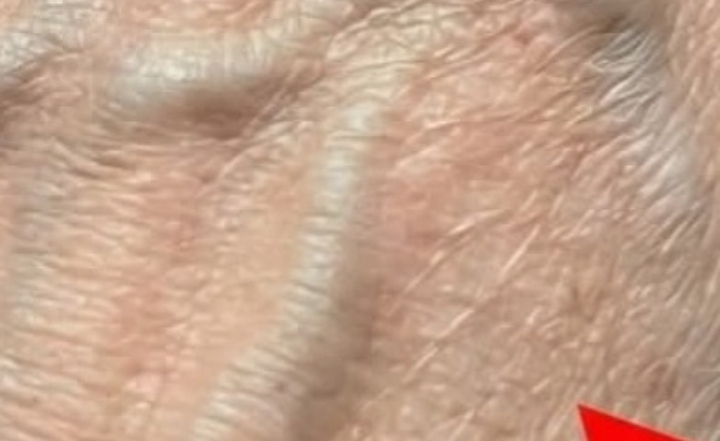

Many people notice prominent or bulging veins on their hands, legs, or feet and worry that something may be wrong. In most situations, visible veins are harmless and linked to factors such as physical activity, skin tone, warm temperatures, tight clothing, or natural aging. Genetics and excess body weight can also make veins appear more noticeable beneath the skin.Related ArticlesWhy So Many Older Adults Don’t Live Past 80 — 4 Key Reasons ExplainedHidden PFAS in Toilet Paper May Raise Cancer Risk — 6 Types You Should Know AboutIn some cases, however, enlarged or twisted veins—particularly in the legs—may indicate an underlying vein disorder or a more serious condition, including blood clots. If bulging veins are accompanied by significant discoloration, pain, or discomfort, it is important to consult a healthcare professional.How Bulging Veins DevelopVeins are responsible for carrying oxygen-poor blood back to the heart. Inside these veins are small one-way valves that ensure blood flows upward against gravity. When these valves weaken or become damaged, blood can collect within the vein rather than moving efficiently toward the heart. Over time, this increased pressure causes the vein walls to stretch, twist, and protrude, making them more visible under the skin.Blood Pooling, Spider Veins, and Varicose VeinsBlood pooling can affect veins of different sizes:Spider veins develop in small vessels close to the surface of the skin. They typically appear as thin, web-like lines in red, blue, or purple and usually remain flat rather than bulging. They are most often seen on the face and legs.Varicose veins involve larger veins that become swollen, twisted, and raised above the skin. These are the classic bulging veins commonly seen on the legs and feet.Spider veins are generally a cosmetic concern and rarely cause symptoms, while varicose veins are more likely to lead to discomfort and complications.Other Factors That Contribute to Bulging VeinsSeveral common factors can increase vein visibility:Aging: Vein walls and valves naturally weaken over time, allowing veins to stand out more.Hormonal changes: Pregnancy, menopause, and hormonal birth control can affect vein structure and increase visibility.Prolonged sitting or standing: Remaining in one position for extended periods makes it harder for blood to circulate back to the heart.Excess weight: Added pressure on the leg veins interferes with healthy blood flow.Recognizing Symptoms of Varicose VeinsUnlike spider veins, varicose veins are often associated with additional symptoms, especially in the legs:Aching, heaviness, or throbbing sensationsBurning or muscle crampsFatigue or restlessness in the legs after long periods of sitting or standingSwelling in the ankles or lower legsItching or irritation around affected veinsChanges in skin color or a thickened, leathery texture near the veinsThese symptoms tend to worsen as the day progresses and often improve with rest or leg elevation.Risk Factors for Bulging and Varicose VeinsCertain factors increase the likelihood of developing vein problems:Family history: Genetics play a significant role in vein health.Sex: Women are about twice as likely as men to develop varicose veins, largely due to hormonal influences.Weight: Carrying excess weight places additional strain on leg veins.Age: Risk increases with age, with many people developing noticeable vein changes by their 50s.Potential Complications of Untreated Bulging VeinsWhile spider veins are usually harmless, untreated varicose or significantly bulging veins can progress to chronic venous insufficiency, a condition in which blood struggles to return to the heart. This may lead to persistent swelling, skin thickening, and color changes.More serious complications can include:Venous ulcers: Slow-healing open sores, often near the ankles, caused by poor circulation.Blood clots: Superficial thrombophlebitis affects surface veins, while deep vein thrombosis (DVT) involves deeper veins and can be life-threatening.Pulmonary embolism: A dangerous condition that occurs if a blood clot travels from the leg to the lungs.Ways to Help Prevent Bulging VeinsAlthough age and genetics cannot be changed, certain habits can promote healthier veins and lower risk:Engage in regular physical activity, such as walking, to improve circulation.Avoid sitting or standing still for long periods; move or stretch frequently.Maintain a healthy weight to reduce pressure on leg veins.Wear compression stockings during long flights or extended periods of sitting.Elevate your legs when resting.Avoid tight clothing around the waist, thighs, or legs.When to See a Doctor About Bulging VeinsSpider veins usually do not require medical treatment unless removal is desired for cosmetic reasons. However, prompt medical attention is recommended if you experience:Sudden or severe leg pain, swelling, or warmth, which may signal DVTOpen sores or slow-healing wounds near bulging veinsBleeding from a swollen veinSignificant changes in skin color or texture around the veinsOngoing pain, heaviness, or cramping that interferes with daily activitiesIf you are concerned about visible or bulging veins, varicose veins, spider veins, or the risk of blood clots, consult a healthcare provider or vein specialist. Early evaluation can help prevent complications and improve both comfort and quality of life.
Bulging Veins Explained: What’s Normal, What’s Not, and When You Should See a Doctor